The West's Biggest Bass Fishing Forum

WesternBass.TV

Free Magazine

Classifieds

ClassifiedsLast PostClassifiedsLast Post
Boats - Motors - Trailers Marine Accessories
Fury 26p prop by fisherman84 Fri Feb 6, 2026 10:08 am
Electric Motors
Minn Kota Ultrex by gold fish Fri Feb 6, 2026 7:02 pm
Miscellaneous
Electronics
Humminbird Mega Live for sale by BClay Fri Feb 6, 2026 1:33 pm
Rods & Reels
For Sale : Dobyns Xtasy 723SF by dfishing1 Thu Feb 5, 2026 9:49 pm
Hard Baits
Lucky Craft RC 1.5 by jerrysfishing Sun Feb 1, 2026 2:52 pm
Soft Baits
Deps Sakamata Shad Lot by Pablo19 Wed Jan 14, 2026 7:11 pm
Kayak Classifieds Terminal Tackle
selling my EGO S2 clear rubber net by chevy5099 Mon Jan 26, 2026 11:39 am
Lodging & Property
Clear Lake vacation rentals by adamcera Mon Sep 29, 2025 2:27 pm
Tow Vehicles
Wanted to buy mid size pickup by Dfowler Wed Oct 15, 2025 7:11 pm

Lake Reports

Clear Lake
Clear Lake By Fishing Report from Clear Lake in the Golden Mussel tournament with the two teams with over 40 pound bags... Clear Lake produced a wide range of results, with many anglers struggling to catch limits while others were able to connect with trophy-class bass. Conditions were difficult enough that 8 of the 25 boats reportedly blanked, and many anglers returned with only small bags of roughly 5 to 13 pounds. Despite the tough bite, Clear Lake still showed its reputation as a true big-fish lake, with multiple double-digit largemouth caught during the day. The most consistent success came from anglers who reported staying mobile and avoided sitting in one spot too long. Rather than camping on a single area, productive teams focused on covering water and cycling through key stretches repeatedly throughout the day. A common approach was catching one or two fish, leaving the area, and returning 20 to 30 minutes later to fish the same zone again after it had time to reset. This rotation helped keep fish active and prevented burning out the area. Most of the top fish were caught using minnow-style presentations. The top three teams referenced shaking a minnow as the primary method, using 4 to 5 inch minnow baits. The key detail mentioned was getting fish to move in close and commit, suggesting fish were present but not always aggressive. Some of the biggest bites came from fish that followed up and ate after multiple casts and persistence. Best Techniques & Baits Minnow-style baits were the most consistently mentioned producer, especially in the 4 to 5 inch range. The most effective presentation was shaking the bait to trigger reaction and follow-up bites. Success also came from repeatedly cycling through productive areas and making multiple passes, rather than relying on one spot. Anglers noted that a crankbait was not needed for these conditions, and that staying with the minnow approach was more reliable. Full Results https://www.westernbass.com/forum/post707031.html#p707031
Don Pedro Lake
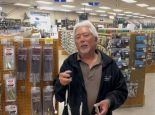
Don Pedro Lake By Don Pedro Fishing Report Jan 29 and 30 With Fisherman's Warehouse pro John Myers Late-week conditions in the Don Pedro area leaned classic winter. Thursday, January 29, 2026 brought a cool morning near 38°F with an afternoon high around 62°F. Friday, January 30, 2026 warmed slightly, starting near 42°F and topping out around 67°F. Fishing Thursday and Friday, John Myer focused on deep water and subtle structure, adjusting locations rather than techniques to stay on active fish. His two-day trip to Don Pedro Reservoir revealed a clear pattern that rewarded patience, bottom contact, and an extremely slow presentation. On Thursday, the most productive water was found in the back of a creek arm. Fishing depths ranged from approximately 40- to 50-feet, where largemouth bass were the primary catch. John caught seven fish total that day, including three bass that weighed over three pounds. He also spent time fishing main-lake areas and points, where he caught some spotted bass, although those fish were smaller in size compared to the largemouth in the creek. The most effective approach on the first day involved casting into deeper water and dragging the bait uphill along the bottom. The retrieve speed was critical, as the bait needed to be moved extremely slowly to generate bites. Fish were caught on both a Dry Creek tube and a Keitech jig using this method. The tube was rigged with a 1/4-ounce weight for consistent contact with the bottom. The Keitech jig paired with a Yamamoto Cowboy trailer using the larger profile. Most of the fish came from maintaining bottom contact and resisting the urge to move the bait quickly. Based on the size and number of fish caught on Thursday, John estimated that his best five fish would have weighed between 13- and 14-pounds. On Friday, John again began fishing in the back of the creek and had early success using the jig. As the day progressed, he moved out to deeper water in the 50-feett range but was unable to generate bites in that zone. Instead of staying in unproductive water, he adjusted by targeting island tops and similar structure. Using the same presentation of casting into deeper water and dragging the bait uphill, he began catching fish consistently again. On Friday, the tube became the most productive bait, producing several fish in succession. By the end of the day, his fishing partner estimated that John caught approximately 16 fish compared to two for the partner. The difference was attributed to weight selection, as the lighter 1/8-ounce tube head used by the partner did not maintain bottom contact effectively. The 1/4-ounce tube allowed the bait to tick the bottom rather than swim above it. Although the number of bites increased on Friday, the average size of the fish was smaller. John estimated his best five fish that day would have weighed closer to 12-pounds. He also noted that the fish were positioned shallower compared to the previous day, while the deeper fifty-foot water remained largely unproductive. Line selection played an important role in detecting subtle bites. On spinning gear, John used 10-pound P-Line Tactical No-Fade braid with an 8-pound P-Line Tactical leader. On baitcasting gear, he used 14-pound P-Line Tactical line while fishing the jig. Throughout the trip, John used forward-facing sonar and observed a number of fish that appeared to be crappie. He indicated that he plans to target those fish on a future trip.

From the Blogs