

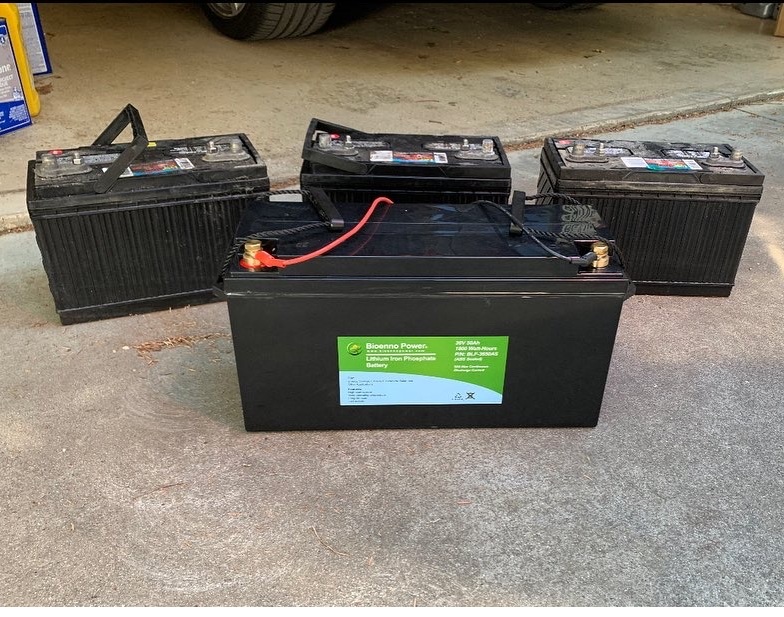
 Here is a hypothetical comparison that takes place on the water, highlighting the differences of an AGM battery and Lithium battery setup. The differences begin to show themselves quietly, the same way a subtle tick on a line tells an experienced angler a fish has taken the bait.
Sunrise breaks across a calm stretch of lake, the kind where every sound carries and every movement matters. Two identical bass boats idle side by side at the ramp, rigged the same from bow to prop except for one hidden difference beneath their rear hatches. One is powered by traditional AGM batteries that have served boaters reliably for decades. The other carries a set of Bioenno lithium iron phosphate batteries designed for deep-cycle marine use.
A Lighter Load and a Different Feel
Bioenno highlights one of the most noticeable advantages of LiFePO4 chemistry. Their batteries weigh significantly less than traditional sealed lead acid batteries of similar capacity. For a fishing boat, reducing battery weight means reducing overall load. A lighter boat may feel more responsive whether it is being maneuvered with the trolling motor or idled across a cove. Nothing dramatic occurs, but the boat equipped with lithium seems to move with a bit less resistance in the water, similar to the way a lighter jig slips through cover more easily.
Power Consistency Throughout the Day
As the morning progresses, both boats lean heavily on their trolling motors and electronics. AGM batteries gradually decline in voltage as they discharge, which is a normal characteristic of lead-acid chemistry. This drop can influence thrust and the brightness of electronics.
Bioenno notes that LiFePO4 batteries provide a much flatter discharge curve. Their voltage remains more consistent throughout most of the charge cycle. On the water, this may feel like a trolling motor that responds more predictably even after hours of use or fish finders that maintain steady brightness. Consistent voltage is one of the documented strengths of LiFePO4 chemistry, and it can be particularly helpful for anglers running multiple sonar units or forward-facing sonar systems that rely on stable power.
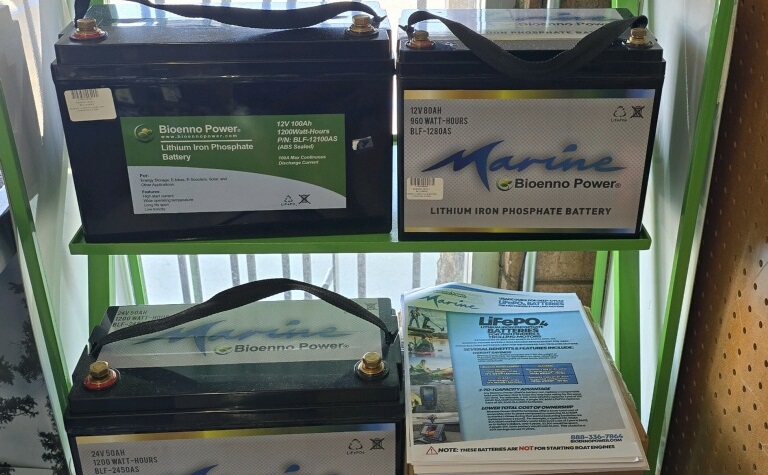
Movement, Maneuverability, and Reduced Battery Weight
Moving from point to point throughout the day often highlights small differences in how a boat behaves. The AGM-powered boat performs as expected and carries the weight many anglers are accustomed to. The Bioenno-equipped boat, carrying lighter batteries, shifts that weight profile. Reduced battery mass can alter how the boat lifts, settles, or tracks. While results depend on each rig, the potential for a slightly more agile feel is a natural outcome of carrying less weight.
Charging at the End of the Day
Back at the dock, the distinction continues. AGM batteries often require lengthy recharge periods, sometimes overnight, especially after deep discharge. Bioenno provides chargers designed specifically for their LiFePO4 batteries, and the company notes that LiFePO4 chemistry supports efficient charging. Many anglers may appreciate being able to replenish their batteries in less time, especially during multi-day events or back-to-back fishing trips. Actual charging speed varies based on charger model and battery capacity, but LiFePO4 technology is well known for quicker recovery compared to traditional lead acid.
Built-In Safety and Stability
Bioenno highlights several safety characteristics of LiFePO4 batteries. They use a chemically stable lithium iron phosphate composition, which is recognized industry-wide for thermal stability. Their batteries include an integrated Battery Management System designed to help protect the battery from over-charging, over-discharging, and overheating. For anglers running expensive electronics and long days on the water, a safe and stable chemistry is a practical benefit. While no battery design eliminates all risk, LiFePO4 is widely regarded as one of the safest modern battery chemistries.
Cleaner Power for Modern Electronics
Marine electronics have evolved rapidly. High-definition sonar, GPS mapping, and live imaging systems often draw steady power throughout the day. Bioenno points out that LiFePO4 batteries maintain more stable voltage under load. For anglers, cleaner and steadier power may support consistent electronic performance over long hours of fishing. Actual results depend on wiring, power draw, and device configuration, but the underlying chemistry favors devices that benefit from stable voltage delivery.
By sunset, both boats return successfully. Both catch fish. Both stay powered. Both complete a full day on the water. Yet they arrive there in slightly different ways, shaped by the characteristics of the batteries beneath their hatches.
AGM batteries offer tradition, durability, and familiarity.
Bioenno LiFePO4 batteries offer lighter weight, consistent voltage, efficient charging, and stable chemistry.
This comparison reflects the changing needs of modern anglers. Boats now carry more electronics, more power-hungry systems, and higher expectations. As those demands increase, so does interest in power systems built specifically for deep-cycle reliability and clean power delivery.
Bioenno’s marine LiFePO4 batteries align well with those needs. They provide potential advantages that can support long days on the water without making performance promises that cannot be universally guaranteed.
For many anglers, this makes them a compelling option as bass fishing continues to evolve.
 Advertising