




Northern California Lake Fishing Report
- Almanor Lake
- Berryessa Lake
- Cachuma Lake
- California Delta
- Camanche Lake
- Casitas Lake
- Clear Lake
- Diamond Valley Lake
- Don Pedro Lake
- Folsom Lake
- Iron Gate Reservoir
- McClure Lake
- New Melones Lake
- Oroville Lake
- Perris Lake
- San Luis Lake
- Shasta Lake
- Sonoma Lake
- Almaden Lake
- Almaden Reservoir
- Amador Lake
- Anderson Lake
- Barrett Lake
- Black Butte Lake
- Blue Lakes
- Bullards Bar Lake
- Calero Reservoir
- Camp Far West Lake
- Chabot Lake
- Chesbro Lake
- Collins Lake
- Contra Loma Lake
- Coyote Lake
- Del Valle Lake
- Dixon Lake
- Eastman Lake
- Guadalupe Lake
- Hennessy Lake
- Ilsanjo Lake
- Indian Valley Lake
- Kelsey Bass Ranch Lake
- Lafayette Lake
- Lake of the Pines
- Lexington Lake
- Loch Lomond Lake
- Los Banos Lake
- Los Vaqueros Lake
- Mather Lake
- Mendocino Lake
- Mendota Slough Lake
- Merced Lake
- Millerton Lake
- Modesto Reservoir
- Morena Lake
- Murray Lake
- New Hogan Lake
- Nicasio Lake
- Oso Lake
- Pacifica Coastline
- Pardee Lake
- Pillsbury Lake
- Pinto Lake
- Piru Lake
- Quarry Lakes
- Radio Lake
- Rollins Lake
- Ruth Lake
- Sacramento River
- Salt Springs Lake
- San Francisco Bay
- San Justo Lake
- San Pablo Lake
- Shadow Cliffs Lake
- Shastina Lake
- Skinner Lake
- Soulajule Lake
- Spring Lake
- Stevens Creek Lake
- Trinity Lake
- Tulloch Lake
- Turlock Lake
- Uvas Lake
- West Delta
- Whiskeytown Lake
- Woodward Lake
- Woollomes Lake
- Yosemite Lake
Sunday, April 27th, 2025
-
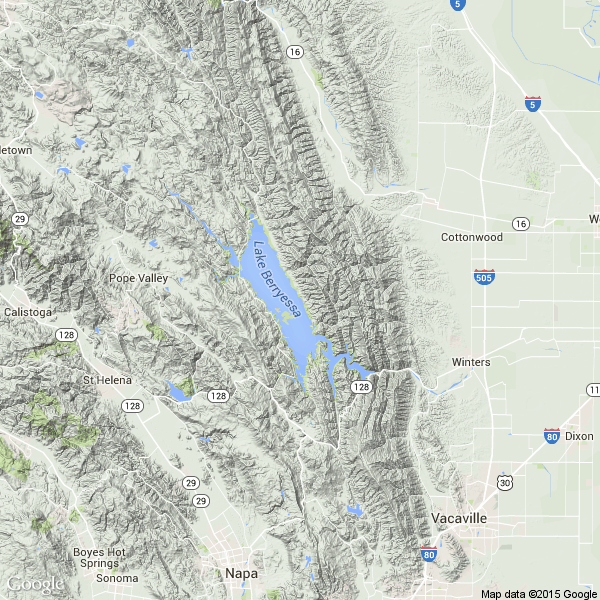
Berryessa Lake
-
Water Temp: 64-68
Report: I have made a trip a week for the last month. The fishing has been very good, 20 to 30 plus fish a day. Have caught fish on just about every thing you can tie on. With plastics being the method that has been catching the most fish, there are times when I’ll get fish on a crank bait 2-3 cast in a row, then nothing for a while. Pick up the plastic though and bam. The tough thing has been, how many small fish to get to a 3lb plus?
Tips: Dead sticking has been almost essential at times, wacky rig has been very good.
-
Saturday, April 19th, 2025
-
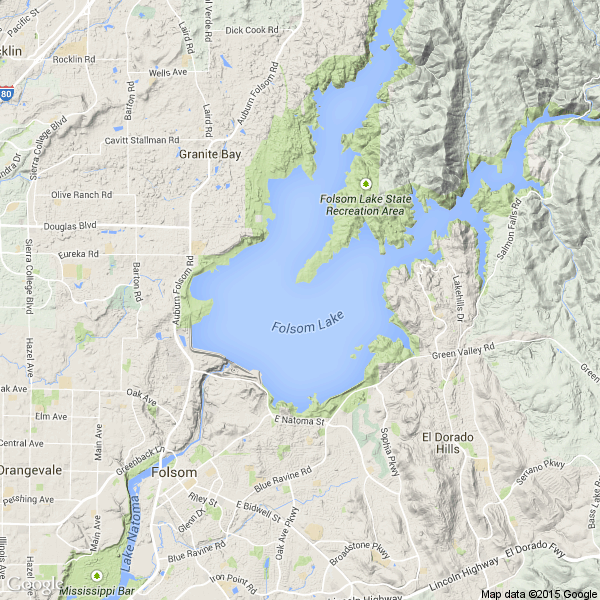
Folsom Lake
-
Report: by dfishing1 » Fri Apr 18, 2025 6:22 pm
Here is my experience. Went to Beals Point at 5am. Was the 14th one in line. At 630 gate opened w the rangers. The line is split into 4 lanes, each has an inspector. At 930 inspections start. All compartments open and inspected. Done in 10 mins and on my way. Now, your quarantine is 30 DAYS from your inspection date. Mello Marine does them by appt for $50 BUT state parks is free for now. When quarantine is up you can launch after inspection and removal of quarantine tag. They say there will be inspectors at ramps during PARK hours to give your green tag at take out. Decon stations are pending and will cost upwards of $100 or more depending on your boat but will be by appointment. Be patient with the inspectors and they will get u in and out.
Top
-
Tuesday, April 15th, 2025
-
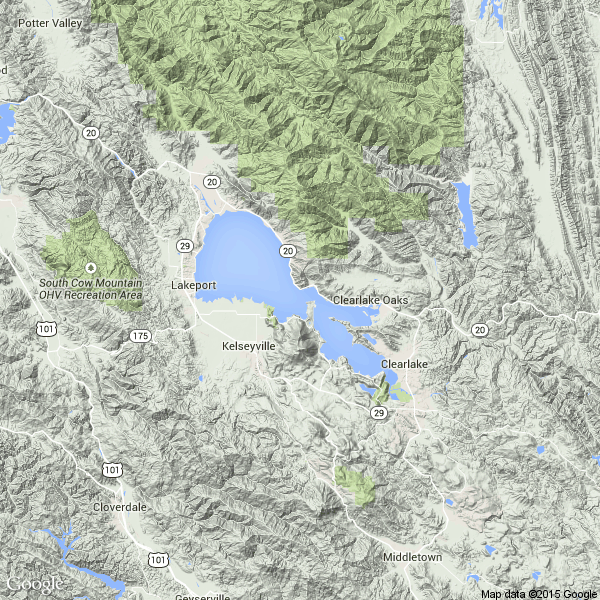
Clear Lake
-
Report: Spent a week on Clear Lake
Weather temps ranged from 44-78 degrees
Water temps ranged from 56-61 degrees
The fish were moving up on beds as would be expected with the big moon. Let me say hats off to all the guys who did successfully at the Open. Big fish were everywhere on the North end. I could see them in bushes and on beds, but the bed fish where super skittish due to the only ones that I could see where the ones that where less than 3 feet deep. I caught em fishing the old tule line with a 1/2 ounce spinnnerbait (white on white), a flashy swimmer with 3.8 Keitech for first hour in the morning. After the sun came up, I would start flipping a dropshot and a Missle bBait Destroyer to all the holes in the tules. After I found minor success with that, although everything seemed right, I went to forward facing mode and started catching them although it was not easy. By far, the best way to catch fish for me the last three days was throwing a Crush City boot tail strolling bait that I didn’t have to shake to get it to roll. I’m one of the guys that has fought FFS trend but it’s a dealbreaker at Clear Lake.
-
Monday, April 14th, 2025
-
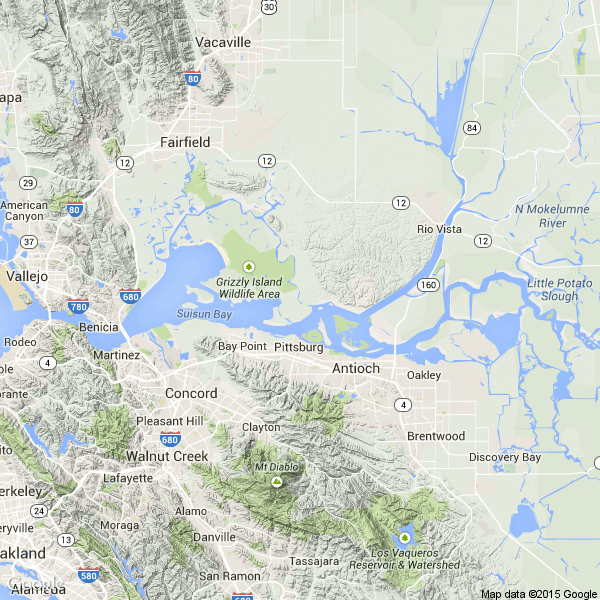
California Delta
-
Water Temp: 64-66
Water Clarity: Stained (2-4 foot visibility)
Report: Today fished the outgoing tide and it was slow until the tide bottomed out. Then the topwater bite fired off. The frog bite was solid at the low switch on the weed flats near spawning pockets. The key is not to spook those fish with the TM and moving through these areas at low tide is brutal. I'd chop through to areas and then power pole down and let it settle. After about 5 minutes I'd thoroghly work the area with a buzz bait and the frog. Most fish came on the frog worked very slowly and they were all quality fish 3-4.5lbs. Missed one big bite. It is a lot of work fishing this way, but the opportunity at a big bite is there. Good Fishing to All! TIDALCADeltaFishing.
-
Friday, April 4th, 2025
-
California Delta
-
Report: Started in East Delta, water temperatures rising.. Water temps range from the mid-50s to low 60s, depending on location - prime spawning temperature. Some areas are experiencing clearer water, especially on outgoing tides, while others remain more stained. High tides are pushing fish into shallow cover, while low tides are concentrating them along deeper edges. Some success has been when targeting shallow areas with tules, submerged vegetation and laydowns – less on riprap. Soft plastic have been best still. Thrown everything from Senkos, creature baits, and craw imitations rigged Texas-style or on a Carolina rig.
-
Monday, March 24th, 2025
-
California Delta
-
Water Temp: 56-58
Water Clarity: Stained (2-4 foot visibility)
Report: Things are starting to get right. These next few days of warm weather will really speed up the bite. Spent Thursday, Friday and Saturday on the water focusing on central Delta (Franks, Mildred and Old River). The weather was cold in the mornings with a pretty good wind. The bite on the high tide (last part of high and the switch to outgoing) was good. Fish seemed to prefer senkos and dropshot. Tried to force feed them reaction due to the wind, but only caught smaller fish. All better bites (3-5lbs) came on flipping shallow pockets on high tide. The fish are super healthy and fat. It is getting really fun out on the river right now and will only continue to improve. Tight lines! Tidal CA Delta Fishing.
Tips: Slow down in areas that look good. The areas where fish seemed to concentrate were pockets that had minimal weed growth surrounded by areas of thicker dense weeds. These little pockets held multiple fish and will be the same places I will start looking for the fish to spawn. When the tide drops out go look in these areas to find these pockets and then fish them on the high tide. One other area that consistently got bites was points with sparse tules and moving current.
-
Thursday, March 20th, 2025
-
California Delta
-
Water Temp: 54
Water Clarity: Muddy (0-2 foot visibility)
Report: Launched early at Paradise; long story short, only caught 2 fish; buddy's first few casts caught an early morning keeper on a 4" jerkbait; we thought that was a sign of things to come but nope, nothing for the next 4 hours, trying everything but the kitchen sink. Decided it just wasn't a good day (we blamed it on the previous night's front/rain but we really don't know), so we headed back up Disappointment back to Paradise. We stopped and tried one of our usual islands that had a visible weedline ledge; I threw a dark red crankbait along the dropoff and hooked a heavy 2lber (almost a 3lber). That at least salvaged an uneventful day. Water was heavy stained, not sure if I'd call it muddy but well, yeah, I guess it was.... lost sight of my lure a foot down. Oh well, there's always next week and the weeks to come.
Tips: Not qualified to give tips and definitely not from today. But I guess we just kept trying with everything we had. We didn't quit and at least got an almost 3lber. Really don't know why but oh well, kicked the skunk outta the boat for me.
-
Monday, March 10th, 2025
-
California Delta
-
Report: Went out on the old DirtyD this week. It was the last part of the outgoing tide and then the incoming started. The water clarity was less than a foot and the temperature ranged from 54-60.
My plan was that I would take advantage of the low water and look around in the marinas as the full moon was coming soon. I wanted to see if there were any fish that had moved up. well after viewing 5 of my favorite spawning areas, I seen only 2 little bucks as I was pulling out of one of the marinas. I found a pretty good school of stripers on my Lowrance FFS so I spent about a hour catching them on a ripbait.
Back to the bass. I threw a chatterbait and a crankbait where I thought they where gonna be but nothing happened. I started throwing a 5inch wacky rig Senko and caught one little guy. I made a run West where the water was higher and found a tree in the middle of the slough with the FFS. I caught 2 bass,1 stripper and a crappie all out of that same tree. The Delta is pretty tough for me right now.
-
-
Clear Lake
-
Report: Reed Fraziers day was equivalent to 38 Pounds as he had two fish over 9 Pounds anchoring his bag! Close behind him with an honorable limit of 103.50” was Joseph Silva! Both anglers were utilizing their live scope and a Crush City “Mooch Minnow” to bring home a well deserved finish! They targeted cruising fish in 10-20 feet of water, and utilized Sniper Marine “Scout Poles” to keep their Garmin LiveScope on the fish. Pestering them with a 3/32 ounce rangeroller, Reed found the winning fish! Soda Bay seemed to be the ticket for a lot of anglers in this event!
-
Saturday, March 8th, 2025
-
California Delta
-
Report: by Mark Lassagne from BAM » Sat Mar 08, 2025 7:25 pm
Super fun day on the Delta yesterday- 25-30 with a few good ones mixed in. River2Sea biggie, Chatter and Senkos did the damage. Different area today so we’ll see how different it is.
-
Sunday, March 2nd, 2025
-
California Delta
-
Water Temp: 57-58
Water Clarity: Stained (2-4 foot visibility)
Report: Fished central delta and found the best quality fish holding in sparse tules on the flats. Today we caught fish with spinnerbaits and senkos. The spinnerbait is perfect for this time of year when the fish love to stage in the sparse tules before moving shallower to spawn. The spinnerbait is awesome to bounce through the tules and most the strikes come after hitting the tules. The chatterbait is good too but gets hung up a lot more and the spinnerbait rarely gets snagged. The 6" senko caught the biggest fish which was a 4.8. Fun fishing right now! Tidal CA Delta Fishing
Tips: Today the key was sparse tules on flats.
-
Saturday, March 1st, 2025
-
Don Pedro Lake
-
Report: From Damian Thao: John and I practiced the day before but I had found fishing tough; however, John was hammering them with tubes and jigs. On the tournament day (March 1) the fish changed up and wanted the bait pulled up hill with a Neko Rigged Senko in Green Pumpkin. I couldn’t get bit pulling it downhill so I moved shallow and was able to trigger the bass into biting. Also, during practice the fish didn’t want the spoon but during tournament day, the fish wanted the spoon. I caught several nice fish on the spoon during the tournament. I had found a huge school of big fish that were competing for the spoon which made the fish easier to catch. I was fishing from10 to 30 feet deep. It was nice to find that huge school of big fish with my forward-facing unit. It was quick and fast once I had found the mega school of fish. The cadence of the spoon was a slow pull once the spoon was near the fish. The fish were schooled up tight so the bites were fast once the lure was near the fish.
From Dustin Brown: I caught around 40 fish using bottom contact lures but most were in the 15-to-16-inch range.I did catch one that went 19.50” in the back of a cove. I decided to start in the cove where I had caught that 19.50” bass. I started about half was back into that cove and caught 7 fish total during the tournament hours. I tried to catch those fish that were in the back of the cove but they were not willing to bite. I was using my forward-facing unit and could see the school of fish but they just didn’t want to bite. My partner was fishing a different part of the lake and had lost a few fish on the chatter bait and other bottom bouncing baits.
-
Friday, February 28th, 2025
-
California Delta
-
Water Temp: 55-57
Water Clarity: Stained (2-4 foot visibility)
Report: Never left Franks Tract today and slowed way down. Caught 17-18lbs with all fish coming on 6" Senkos. Started the day targeting outside edge tules thinking the big girls would be feeding up in preparation to move shallow. Caught a few fish on the outer edge, but the quality was not great. Low tide hit and decided to move shallow to look around. Water was still too stained. to see any beds, BUT long casting the Senko to the edges of old dormant mats started to produce regular bites of quality fish. As the tide switched and started to come in the bite was consistent flipping to the old edges. These bass were in pockets with sand and hard bottoms. These areas are easy to find when you notice the weed growth at low tide goes away and leaves clean pockets. Wishing you good fishing! Tidal CA Delta Fishing.
Tips: Get behind the tules and look for shallow pockets with harder sandy bottoms. The bass will move into these pockets over the next couple months and they will provide a consistent bite. Start on the outer staging edges and move shallow until you find the fish and then SLOW down and pick apart the areas. There's a real chance of hooking a giant.
-
Tuesday, February 25th, 2025
-
California Delta
-
Water Clarity: Muddy (0-2 foot visibility)
Report: So as always the Delta is a fickle place, and going out to try and duplicate the outing can be a challegne, but had to give it a go. Fishing was tought. It was a small tide and started fishing all the same areas as last time. Besides a couple days difference, so a little change in the tide timing, there was warmer water temps. Flipped a jig most of the day. I know this time of the year it should be a great bait to catch a giant on, but it did not pay off today. Started tossing around a Senko when the water got up, later in the day to save getting skunked! Got a couple no more than 3 pounds.
Tips: Takeaways - don’t get stuck on a technique! Water is warming. Starting to see a couple of blooms, so we all know wat that means the fish will be on the move.
-
Thursday, February 20th, 2025
-
California Delta
-
Water Temp: 55 give or take
Water Clarity: Stained (2-4 foot visibility)
Report: Spent part of the day on the Delta. When I went out, he tide was high and water temps varied from 52 to 57. The water clarity varied but the Central looked the best and it’s where I caught all my fish. I flipped a jig all day caught 6 fish all over 3.5lbs and the big going over 5 pounds. All fish came in the first row of tules. It was actually the furthest tully point sticking out. The high water seemed to be the key for me because after the tide moved out about 1/2 way, I could not buy a bite. I targeted outside of spawning areas where they will be.
Tips: Jigs, jigs and more jigs.
-
Monday, February 3rd, 2025
-
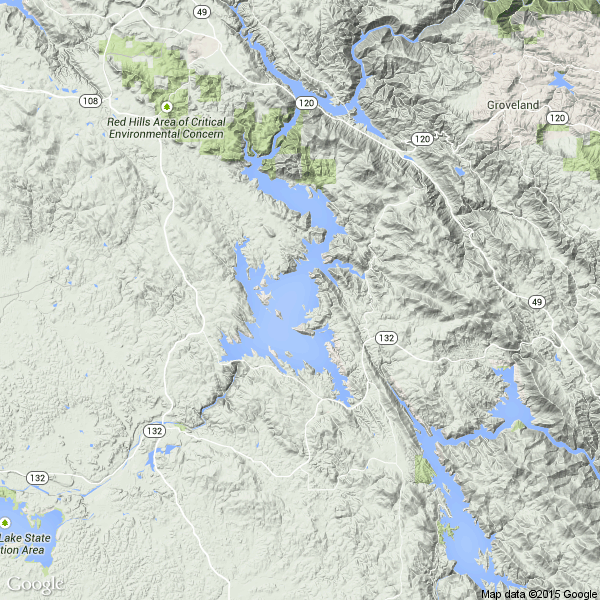
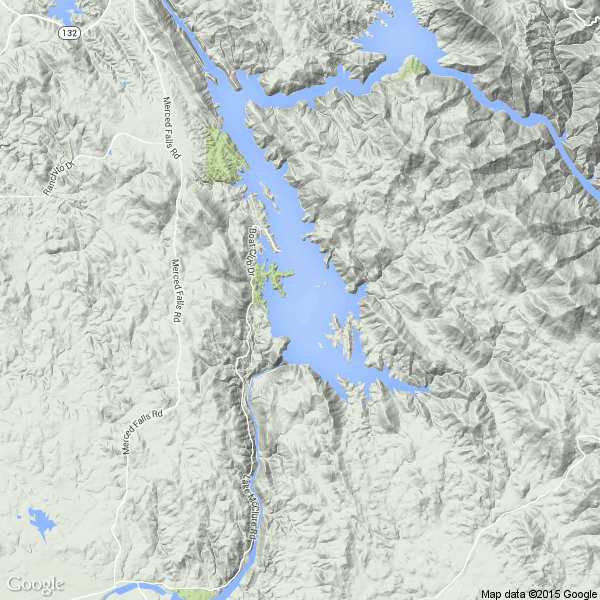
McClure Lake
-
Report: Did anyone loose an important piece of fishing equipment at lake McClure this weekend? I found something on the way to barrettes cove launch. Let me know if I found someone’s lost equipment.
-
Thursday, January 23rd, 2025
-
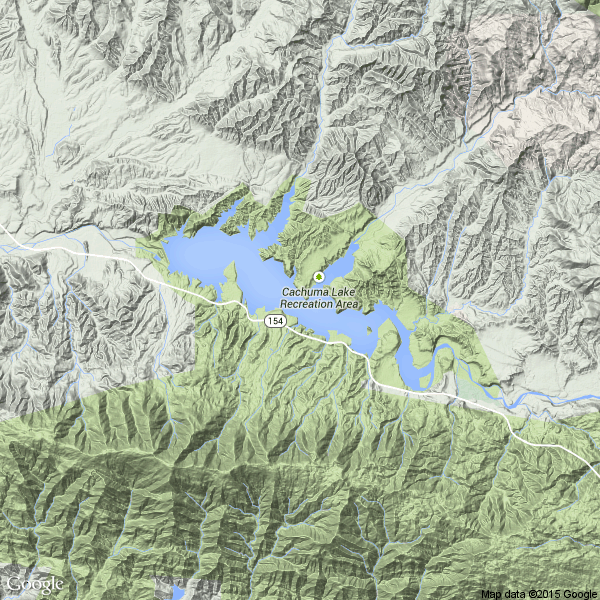
Cachuma Lake
-
Water Temp: 53
Water Clarity: Clear (4+ foot visibility)
Report: What's up every one this should be a first of many reports . Let's get to it .
Bank fisherman have reported to me 1 -3 fish a day varying from 2lb stock trout to keeper bass and 4lb average catfish. During January.
Boat anglers
Bite has been consistent on all species with most angler targeting trout stock and bass .
Trout bite seems to be 1-5 fish for most boat. With most days being 2-3 fish.
Trout have been everywhere 0-25ft. With hot spots being near Clark canyon and cachuma hay.
Bass have been consistent in 20-40ft
Drop shot is king. With the jig and underspin bite being day to day. Also if you know what your doing on ffs you can have large numbers of 1-2lbs fish schooling . Other reactions bites available but may be hard to get many bites or a keeper limit .
Aba January 2025 took 16lbs to win. With the average being 10/13lbs for 5 fish limits .
Crappie. Bite is tough but biting . If you know what your doing your rolling in them. If not you catch 1 a day by accident .
Book a trip on lake cachuma with me.
fishwithjeff.net
@fishwithjeffTips: Drop shot, jig, underspin. Fish deeper and keep bottom contact . Find rock. And fish where your confident.
-
Wednesday, January 8th, 2025
-
California Delta
-
Water Temp: 49-50
Water Clarity: Muddy (0-2 foot visibility)
Report: Updated: Started early at Paradise; only came down to get an annual pass and test my new cluster gauges; outgoing low tide at 6am, very calm, not as cold as we thought we'd be. Idled around close to the marina waiting for it to open. Threw jerkbaits (90 and micro size), nothing. Senko/stickbaits/shakeyheads, nothing. Dropshot, nothing. Spinnerbait, nothing. A-rig, nothing. As it got lighter, we realized the water was really stained. Got my annual pass and ran down to main channel; water was just as stained ... about a foot visibility. Tried everything again, nothing. Duck hunters were having a great morning though! Brought back memories. Rode around looking for clearer water but all the same. Ran up to King's but fog was rolling in thick. Worked our way back to Paradise on the inside rockwall of Disappointment...water all the same, stained. Still, I accomplished what I came down for, annual pass and gauges confirmed. Still had a good time just being on the water and casting lures! Went home, flushed the motor/boat, livewell (didn't fill with delta water but still flushed it anyway), and bilge (ran pump with fresh water). Will do exterior next day..kinda tired.
Tips: Not qualified to give tips, but I'd say if you're hankerin' to fish, just go if the weather's decent. We figured we just didn't have good conditions and timing in the areas we tried. But we'll still keep trying. Never know what the next trip's conditions will be. You likely will do better!!
-
Tuesday, January 7th, 2025
-
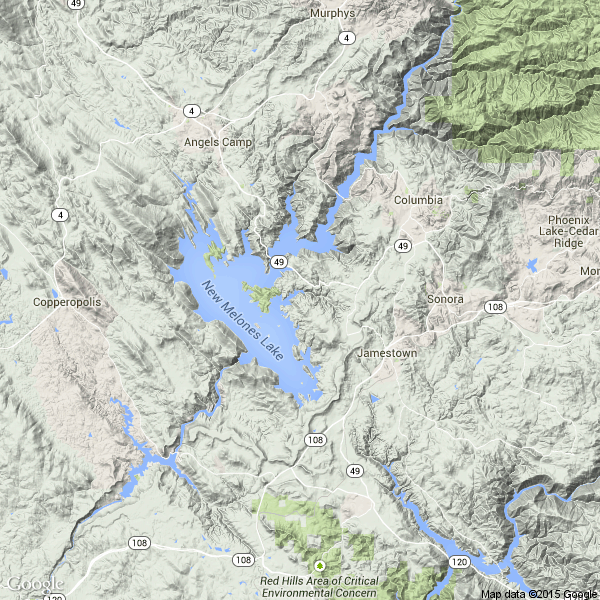
New Melones Lake
-
Report: by cruizer » Tue Jan 07, 2025 5:27 pm
New Melones is open for fishing 8am to 4pm "ONLY IF YOUR BOAT WAS RED TAGGED AND YOUR BOAT WAS QUARANTINED 30 DAYS AGO". I drove up from San Jose to get a red tag on my boat so I can start fishing 2/7/25 to get ready for tournament in March. TUTTLETOWN LAUNCH IS CLOSED TFN. Glory Hole is the only launch open, Rangers are parked at ramp checking you in and out. Please don't take your frustrations on Rangers, they want things to open up but are just doing what they are told to do. Once you're allowed to fish make sure you get of water before 4pm to get a GREEN TAG so you can come back to fish New Melones. "IF YOU BREAK THAT GREEN TAG BY LAUNCHING SOMEWHERE ELSE YOU HAVE TO START THE 30 DAY PROCESS ALL OVER AGAIN".
-
Sunday, December 1st, 2024
-
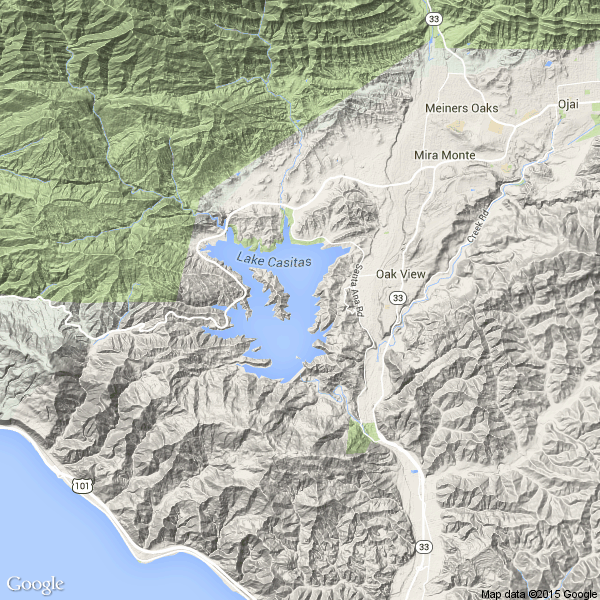
Casitas Lake
-
Water Temp: 62.5 - 63.5
Water Clarity: Clear (4+ foot visibility)
Report: It's been a great year for Casitas. Last year must have been the bottom of it's ebb and flow as this year was amazing in comparison. For myself 29 fish in the 5 pound class. 11 6 pound class fish and my best fish in years here at 8 pounds. Actually I hadn't broken 6 pounds in years. Where and what they were doing can be speculated by me at best. I don't have FFS and even those with it could not catch a keeper during the summer of 23'.
It is fishing well even now Dec. 1 with water temps starting at 62.5 finishing at 63.5. even though you can find boiling fish ( look for the birds) I have been doing well on spoons and typical winter baits from 25 to 50 feet. I have been working with scope baits and 90 degree hooks for strolling to add to my winter tactics. It seems you don't need to have livescope to fish these baits as I am just intuitively casting about and do'n the Alabama shake back to the boat. I have gone through $50 worth of Keitechs or senko's in a day some days this year. Amazing panfish population that I don't remember from years past right now. Big red ear and 2+ pound crappie to be had around the lake in profuse numbers.
The largemouth have some nastier teeth than in years past leading me to believe there was a shift from trout to panfish at some point as a forage base for the largemouth that are large enough to take them on. There is so much cover in the water that it can be daunting but it can be overcome with a few weedless baits. There is a lot of bait every where but the bite has almost been like fishing for northern strain instead of Florida strain largemouth this year as I have caught fish on just about everything I've tried including a spinnerbait..LOL..which just hasn't been the fishes style here in years.
Hoping for some rain but I know what I'm going to do and where all the way down to the the 25 % mark again so we have years to catch these fish. with all the cover the outlook is so bright you have to wear shades.
BEST OF LUCK TO ALL THIS COMING YEAR.
-
 Advertising