




Northern California Lake Fishing Report
- Almanor Lake
- Berryessa Lake
- Cachuma Lake
- California Delta
- Camanche Lake
- Casitas Lake
- Clear Lake
- Diamond Valley Lake
- Don Pedro Lake
- Folsom Lake
- Iron Gate Reservoir
- McClure Lake
- New Melones Lake
- Oroville Lake
- Perris Lake
- San Luis Lake
- Shasta Lake
- Sonoma Lake
- Almaden Lake
- Almaden Reservoir
- Amador Lake
- Anderson Lake
- Barrett Lake
- Black Butte Lake
- Blue Lakes
- Bullards Bar Lake
- Calero Reservoir
- Camp Far West Lake
- Chabot Lake
- Chesbro Lake
- Collins Lake
- Contra Loma Lake
- Coyote Lake
- Del Valle Lake
- Dixon Lake
- Eastman Lake
- Guadalupe Lake
- Hennessy Lake
- Ilsanjo Lake
- Indian Valley Lake
- Kelsey Bass Ranch Lake
- Lafayette Lake
- Lake of the Pines
- Lexington Lake
- Loch Lomond Lake
- Los Banos Lake
- Los Vaqueros Lake
- Mather Lake
- Mendocino Lake
- Mendota Slough Lake
- Merced Lake
- Millerton Lake
- Modesto Reservoir
- Morena Lake
- Murray Lake
- New Hogan Lake
- Nicasio Lake
- Oso Lake
- Pacifica Coastline
- Pardee Lake
- Pillsbury Lake
- Pinto Lake
- Piru Lake
- Quarry Lakes
- Radio Lake
- Rollins Lake
- Ruth Lake
- Sacramento River
- Salt Springs Lake
- San Francisco Bay
- San Justo Lake
- San Pablo Lake
- Shadow Cliffs Lake
- Shastina Lake
- Skinner Lake
- Soulajule Lake
- Spring Lake
- Stevens Creek Lake
- Trinity Lake
- Tulloch Lake
- Turlock Lake
- Uvas Lake
- West Delta
- Whiskeytown Lake
- Woodward Lake
- Woollomes Lake
- Yosemite Lake
Saturday, December 20th, 2025
-
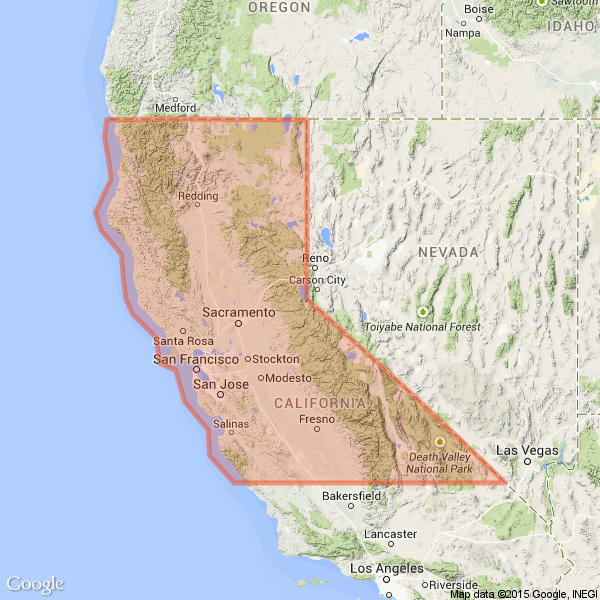
Shasta Lake
-
Report: Winter fishing this year on Lake Shasta has been producing some standout largemouth activity, with conditions lining up for anglers willing to fish deliberately and focus on less pressured water. Cooling water temperatures and stable lake levels have bass feeding in windows, particularly during the afternoon, and some of the largest fish of the season have been showing themselves shallow.
Largemouth have been holding on shallow flats and subtle structure in less than 10 feet of water, often away from obvious points and heavily targeted areas. These fish are not constantly active, but when they do feed, they are committing to larger meals. Big topwater baits fished with confidence have drawn explosive strikes, even late in the year, especially during mid to late afternoon periods. While Lake Shasta is known for its spotted bass, these largemouth have been showing the kind of size that can change the tone of a day quickly.Tips: Anglers should resist the urge to fish fast or abandon shallow water too soon. Targeting flats with big baits, staying patient through slower stretches, and timing efforts around afternoon feeding windows have been key.
-

Wednesday, December 17th, 2025
-
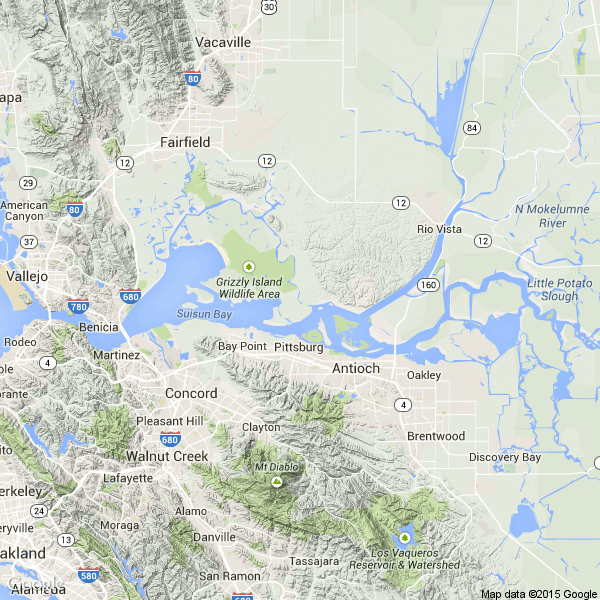
California Delta
-
Report: It seems like the December fishing on the California Delta has slowed into a winter grind as water temperatures settle into the low to mid-50s. Bass are present but far less aggressive, with many fish pulling off the shallowest grass and setting up along edges, transitions, and nearby deeper water. The bite has been inconsistent, and most fish are coming on slower, finesse-oriented presentations rather than reaction baits.
Striped bass activity has remained mixed but more steady in the western Delta, with schoolies providing action witht the tide. Larger fish have been less predictable, and timing around current and bait movement has been critical.Tips: Overall, December success on the Delta has come down to patience and persistence. Anglers willing to slow down, make repeated passes through productive water, and capitalize on short bite windows have been able to put together solid days despite challenging winter conditions.
-
Monday, December 8th, 2025
-
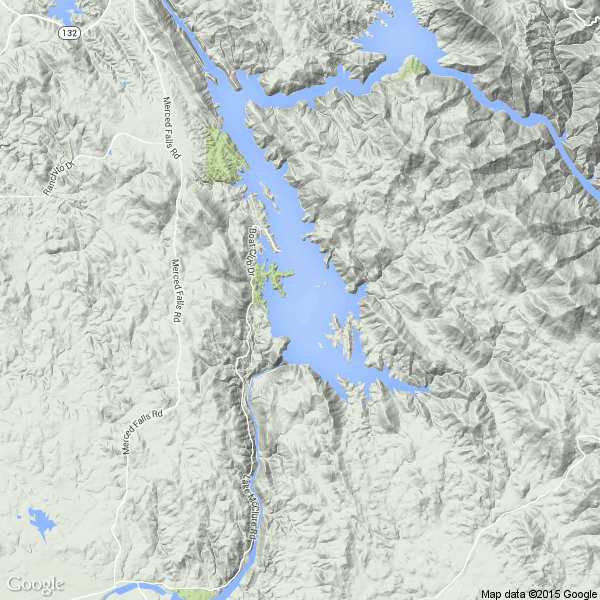
McClure Lake
-
Report: Lake McClure Fishing Report
By Bearded Bassin’ – from CBL Stop #3 (Lake McClure) 2025
@BeardedBassin (Watch on YouTube)
Lake McClure lived up to its reputation for producing numbers of fish but very little size, as anglers battled a tough bite during CBL Stop #3. A foggy morning and calm conditions gave way to wind later in the day, but despite decent-looking weather and active fish on electronics, most bass were extremely finicky. Limits were possible, but every bite had to be earned, and upgrading proved difficult throughout the day. Fish were present and often visible on sonar, but many followed baits, short-struck, or dropped them before committing. Anglers found themselves grinding in small areas for long stretches of time just to fill out a five-fish limit.
Techniques
Finesse presentations dominated the day, with dropshots and straight-tail worms accounting for the majority of landed fish.
Larger-profile baits and swimbaits were mixed in to try and eliminate smaller fish, but most strikes still came from undersized bass.
Reaction baits produced only limited success, though a brief uptick occurred once the wind picked up later in the day.
A rocky point holding a small school of fish was the key area, with anglers repeatedly drifting the same spot to generate bites.
Most productive depths ranged from 15–25 feet, with fish holding tight to the bottom and biting lightly.
Numerous short strikes led to missed fish, prompting the use of a stinger hook on dropshot and darter-head setups, which helped improve hookup ratios.Tips: Fishing pressure, finicky bass, and a lack of aggressive feeding made patience and finesse critical. Simply finding fish was not enough—many bass followed baits without committing, requiring repeated presentations and precise boat positioning.Letting the wind naturally drift the boat across productive structure and dead-sticking baits on the bottom proved to be the most consistent approach. Downsizing and slowing down were key, even when anglers hoped for a reaction bite to develop.Staying in one productive area, rotating presentations, and making small adjustments, such as adding a stinger hook, helped anglers grind out limits on an otherwise difficult day.
Tournament Notes
Limits were tough to come by, with many teams struggling to reach five fish. A small limit around 6½ pounds was common. Despite the overall tough conditions, one standout catch defined the event, as the winning team landed a 9.20-pound big bass, anchoring a 13.10 winning total in a field where most anglers battled short fish all day.
-
Monday, December 1st, 2025
-
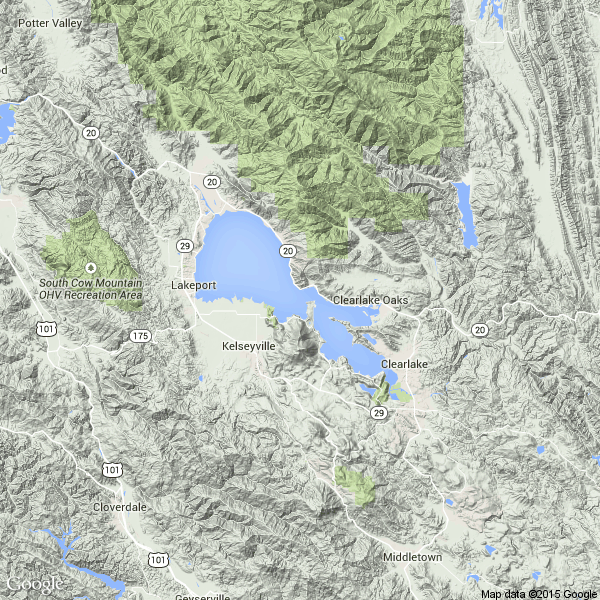
Clear Lake
-
Report: Clear Lake isn’t wide-open, Water temperatures have dropped into the low 50s, and a lot of fish are hanging around structure and docks more than in open grass.
Smaller worms worked on shaky heads or dropshots have been working, keep it slow around the docks and transitions for more consistent bites than fast stuff right now, and downsizing seems to make the difference. It’s not a slam-dunk but crankbait and jerkbait are still getting bit off the bank,
-
Sunday, November 30th, 2025
-
California Delta
-
Report: November fishing on the California Delta is inclassic fall transition conditions, with cooling water temperatures hovering around the low 60s and stained water offering some of the most consistent opportunities of the season. Fish are present throughout. Success is better in areas with slightly colored water when focused on shallower targets rather than deeper, more aggressive fish.
Bass have been holding around wood, grass edges, tules, and main-river structure, with many fish positioned shallower than expected and feeding selectively. Early mornings have produced some surprising surface activity, even during low-light and low-tide periods, while the most consistent action has come from slower presentations worked deliberately through cover and along weed tops. Reaction baits can still draw strikes, but most bites require precise casts and controlled retrieves that keep baits moving slowly through productive zones.Tips: Anglers willing to adjust throughout the day, rotate between finesse and moving baits, and key in on subtle environmental clues such as bait presence, bird activity, and water color have been able to put together solid fall bags. While numbers can be good, quality bites tend to come from isolated moments, making patience and timing critical during November on the Delta.
-
Thursday, November 27th, 2025
-
California Delta
-
Water Clarity: Stained (2-4 foot visibility)
Report: The striper bite has been all over the place the last few weeks. There are quick little windows where they chew, then hours of scattered bites and followers that won’t commit. The whole Delta feels like it’s in transition. Temps up and down, and water clarity changing every day.
The fish are definitely around, but the more reliable groups are sitting where there’s good water movement, clean edges, and bait that isn’t stacked too heavy. Some spots have so much bait that the stripers don’t even bother.
The west side has been the most consistent, mostly because the tide pull is stronger and the deeper current lanes keep flushing food right to them but even out there it’s not easy. The central and west Delta are loaded with bait clusters, but you’re only getting bit where those schools thin out or move off the main mass.
Depthwise, the fish are sliding up and down all day. On slack tide they’re glued to the bottom, even in 20 to 35 feet or sitting in little dips and breaks. When the tide starts moving, they’ll lift into that 8 to 14 ft zone, and on a good outgoing push they’ll slide shallow onto ledges and flats to ambush.
Water clarity is running 2 to 4 feet in a lot of the bigger channels. The clearer the water, the deeper and moodier they get. If you can find that lightly stained water with some flow pushing through, not blown out, the bite usually perks up.Tips: Live bait is doing best, but even that can still be hit or miss depending on tide. Fish are refusing baits when they rise too far off bottom or drift unnaturally in low flow.
Reaction has been better when they are actively pushing bait, typically during the first hour of tide change, burning traps and lipless just above weed lines., 4 or 6 inch paddle-tail on 1/2 to 1 oz jigheads for deeper lanes, and white/chartreuse wake or glide-style baits are getting bit. Changing retrieve speed is key. Bites often occur mid-column, especially 8 to 2 ft over deeper water.
-
Saturday, November 15th, 2025
-
Clear Lake
-
Report: Report: Clear Lake Fishing Report Nov 15
Fishing at Clear Lake showed strong weight potential, with productive windows developing later in the day. Fish responded to deeper cranking and minnow presentations, with changing weather patterns influencing activity levels throughout the event.
Best Techniques & Baits
Deep-diving crankbaits were a key producer, with anglers using 6XD-style plugs in shad, craw, and bluegill patterns. These baits were effective in reaching depths of 22 to 24 feet, paired with fluorocarbon line to maintain depth and sensitivity. Minnow presentations were also productive, fished on light braid-to-fluorocarbon setups to target fish suspended or roaming offshore.
Adjustments in head weight and bait size played a major role in increasing accuracy and triggering bigger bites. Jerkbaits contributed when conditions allowed for precise casts, and lighter heads helped anglers maintain the ideal fall and action needed to connect with quality fish.
Weather & Conditions
Weather swings influenced feeding periods, with anglers noting improved action after midday and stronger results during unstable weather. Slick-off conditions demanded more accurate presentations, while incoming rain was expected to activate bigger fish. Fog delays and shifting wind patterns also affected timing and positioning, pushing anglers to adapt throughout the day.
Tournament Spotlight – BAM Super 60 Pro Tour
1st – Mason McAbee — 27+ lbs (Day One & Day Two totals)
2nd – Luke Johns — 23 keepers over two daysTips: Later-day feeding windows and weather shifts were important factors, making it beneficial to stay flexible and adjust presentations as conditions changed. Deep cranking, precise minnow work, and accurate jerkbait casts performed best when matched to depth, line choice, and subtle weight adjustments.
-
Friday, November 14th, 2025
-
Clear Lake
-
Report: Report: Clear Lake Fishing Report – November 14 2025
Cooling fall weather and shifting pressure systems created inconsistent activity across Clear Lake, with fish responding differently throughout the day. Anglers located feeding fish around bait concentrations from shallow zones into mid-depth structure as conditions continued to change.
Best Techniques & Baits
Minnow-style baits and jerk-shad presentations were productive around areas holding bait, while finesse approaches with light line helped generate strikes when fish became less active. Reaction baits remained effective during short feeding windows, but slower techniques were necessary when the bite tightened.
Dropshot and light-line soft plastic presentations helped coax additional bites, especially when fish moved vertically in the water column or held tight to cover. Adjusting weight, line size, and fall rate was essential for getting baits in front of roaming or pressured fish.
Weather & Conditions
Wind shifts and pressure changes associated with the fall transition influenced how fish positioned throughout the day. Some groups of fish held shallow in clearer, protected water, while others remained offshore or suspended around bait.
The most productive depth range varied from 5 to 30 feet, with additional activity coming from isolated shallow areas as conditions stabilized later in the day. Forward-facing sonar helped locate roaming fish, though many required precise, slower presentations to commit.
Tournament Spotlight – BAM Super 60 Pro Tour
1st – Austin Bonjour — 29.75 lbsTips: Reaction lures can help locate feeding fish during active periods, but shifting fall conditions often require transitioning to slower, finesse-oriented presentations. Subtle movements, lighter weights, and careful line control increase success when targeting fish influenced by cold-front conditions or pressure changes.
-
Wednesday, November 12th, 2025
-
Eastman Lake
-
Report: Report: Eastman Lake Fishing Report
The bite at Eastman Lake remained difficult, with fish spread between shallow brush and offshore suspended positions. Transitional conditions kept fish finicky, and getting consistent bites required precision and subtle presentations.
Best Techniques & Baits
Minnow-style baits and Neko rigs were the most productive for suspended fish holding around 15 feet over deeper water. Light weights, quiet entries, and slow fall rates were necessary to trigger bites, as fish reacted only when the bait landed softly and closely.
Shallow fish in less than seven feet were caught on 4” worms worked through brush and rock. Additional bites came on crankbaits, Free rigs, shaky heads, Ned rigs, and mid-strolling presentations as anglers rotated techniques to locate active fish.
Weather & Conditions
Fish were highly selective, refusing baits that entered the water loudly or fell too quickly. Baitfish shifted from higher in the water column during practice to the bottom during the event, forcing adjustments in presentation. Productive zones ranged from shallow brush to 10–15 feet around rock and offshore structure.
Tournament Spotlight – CVKF
1st – Max Lee — 85.25”
2nd – Jorge Mosqueda — 79.75”
3rd – Damian Thao — 79.50”Tips: Subtle presentations and light weights increased success around suspended fish, while leading fish and allowing baits to fall on a tight line improved strike rates. In shallow cover, pulling finesse baits quickly from brush generated reaction bites.
-
Wednesday, November 5th, 2025
-
Don Pedro Lake
-
Report: Report: Lake Don Pedro Fishing Report
Fishing at Lake Don Pedro produced strong results, with several large limits coming from both suspended and deep-water fish. Bass were positioned from mid-depth to offshore structure, responding well to subtle presentations and deeper targeting in one of California’s largest reservoirs.
Best Techniques & Baits
Strolling was the most productive technique, with topwater lures playing a close secondary role. Minnow-style baits, Sakamata Shads, and jighead presentations were key for anglers targeting fish from 50 to 85 feet of water. Light jigheads helped produce bites when fish were finicky, and downsizing to smaller baits improved results in deeper schools.
Additional fish were caught on flutter spoons, winged flukes, drop-shot rigs, and small soft plastics. Topwater walking baits produced the biggest fish of the event, especially during active feeding windows near rocky structure and deeper water access.
Weather & Conditions
Fishing was generally strong for most anglers, though deeper fish showed picky behavior at times. Schools were found from 50 to 85 feet, with bait concentrated around deep water and dam-related structure. Light bites and selective feeding required adjustments in fall rate, bait size, and presentation style, especially when fish spooked from heavier offerings.
Tournament Spotlight – Yak a Bass TOC
1st – Joseph Silva — 96.50”
2nd – Damian Thao — 95.00”
3rd – John Myers — 94.75”Tips: Downsizing baits and using lighter jigheads helped trigger deeper fish that reacted subtly. Targeting areas with quick access to deep water, cables, and offshore points produced the most consistent results. Mixing presentations and adjusting lure profiles improved success when deeper schools became selective.
-
Monday, November 3rd, 2025
-
Don Pedro Lake
-
Report: Lake Don Pedro Fishing Report By Bearded Bassin’ – from CBL Stop #2 (Lake Don Pedro) 2025 @BeardedBassin (Watch on YouTube)
A prefrontal weather setup with wind had expectations high, but the bite proved far tougher than usual for Don Pedro. Fish were scattered, frequently following baits without committing, and anglers had to grind for every keeper. Despite fishing multiple spots, many areas held fish that simply wouldn’t eat, making for one of the toughest days the anglers had seen on this lake.
Techniques
Topwater was tested early but produced no keeper bites.
The dropshot was the most reliable option of the day, accounting for nearly all of the keepers landed.
Jigs produced occasional bites but overall action was slow across moving and finesse baits.
Key structure included deep rock piles and an offshore hump loaded with fish—many of which followed but refused to commit.
Most keeper fish came from deeper water, with fish showing on sonar from roughly 40–70 feet.
Described this as one of their smallest Don Pedro limits ever, emphasizing how tough the bite was despite ideal-looking weather.Tips: Fishing pressure, constant fish movement, and a stubborn bite made finesse necessary even when conditions suggested a reaction bite should shine.
Locating schools didn’t guarantee success—many fish followed jigs and other baits without committing, making persistence with the dropshot the key to finishing out a limit.
Staying flexible, grinding through multiple spots, and revisiting earlier areas proved essential for scraping together the five-fish bag.
-
Saturday, October 25th, 2025
-
Clear Lake
-
Report: Report: Clear Lake Fishing Report October 25
A shifting fall weather pattern brought cooling temperatures ahead of the tournament, but a strong cold front with wind and rain challenged anglers and tightened the bite across much of Clear Lake. Despite tough conditions, several anglers located concentrated schools of largemouth willing to feed, particularly around shallow protected areas and isolated grass patches.
Best Techniques & Baits
Minnow-style baits, reaction lures, and slow-drag presentations dominated the catch. Minnows and hinge-style baits produced early around offshore schools, while chatterbaits and spinnerbaits generated consistent activity in shallow water when fish reacted better to moving baits.
As conditions stabilized late in the day, Texas-rigged soft plastics—especially speed worms and Senko-style baits—excelled when dragged slowly through isolated grass clumps. In areas where fish were pressured or inactive, downsizing and dead-sticking soft plastics produced steady bites. Shaky heads paired with buoyant worms were also productive around docks and adjacent rock.
Weather & Conditions
Wind, rain, and cold-front pressure made the overall bite challenging, pushing many fish into protected zones or tight to cover. Shallow grass and dock structures held the most consistent activity, while some fish remained offshore but were difficult to trigger.
Most productive depths ranged from one to eight feet in protected stretches, with deeper fish holding near rock piles or isolated cover. As the day progressed and weather settled, the bite improved dramatically in specific locations with concentrated schools.
Tournament Spotlight – Yamamoto Baits Event
1st – Matthew Brannon — 94.00”
2nd – Shane LemMon — 89.50”
3rd – Dana Remy — 88.00”Tips: Shallow reaction baits excelled early, especially around docks, tules, and wind-blown structure. When the bite slowed, transitioning to slower, bottom-contact presentations around isolated grass or rock produced consistent results. Dragging or subtly shaking soft plastics proved especially effective during post-frontal conditions. Staying mobile and relocating to protected water was key to finding active fish.
-
Sunday, October 5th, 2025
-
California Delta
-
Report: California Delta Fishing Report – October 5, 2025
The bite remains consistent across much of the system, driven by shifting tides and cooler fall conditions that have fish relating heavily to grass and current seams.
Best Techniques & Baits
Reaction baits and flipping presentations dominated the weekend. Anglers found steady success with vibrating jigs, swimbaits, and soft plastics around grass lines and current-driven edges. The fall weather pattern — a mix of overcast skies and warming periods — pushed fish into a variety of shallow to mid-depth vegetation where both moving baits and bottom contact approaches proved effective.
As tides fluctuated, heavier weights and precise flipping around thick mats played a key role in finding quality bites. When the bite slowed, downsizing or changing color tones helped trigger additional strikes.
Weather & Conditions
Wind and mild cloud cover created ideal reaction-bait conditions early, while improving water clarity in select areas helped the punch and flipping bite. Most anglers reported strong numbers of catches throughout the weekend, with water temperatures beginning to slide toward classic fall transition ranges.
The most productive depth zones held fish between five and eight feet, particularly around submerged grass lines with active current flow. As the season shifts further into October, expect more fish to pull toward these zones as bait concentrations increase.
Tournament Spotlight – BAM Super 60 Pro Tour
1st – Bryant Smith — 27.26 lbs
2nd – Ken Mah — 22.88 lbs
3rd – Randy McAbee — 19.70 lbs
Smith took top honors after adjusting from a reaction approach to a power-flipping presentation late in the event, while Mah stayed consistent by targeting grass along currented banks with craw-imitating plastics. McAbee locked down third with an efficient punching pattern through dense vegetation, cycling through several grass lines for near-constant action.Tips: Flipping heavy cover continues to be the most reliable way to target bigger fish, but anglers should not overlook reaction baits early in the day. The transition from topwater to subsurface vibration baits remains strong in the Delta’s fall pattern. Covering water, reading the tide, and committing to productive grass stretches are key for both numbers and size.
-
Saturday, October 4th, 2025
-
California Delta
-
Report: California Delta Fishing Report – October 4, 2025
Bass action on the California Delta has stayed hot through early October, producing heavy weights and steady numbers as the fall transition continues to take hold. Fish are feeding aggressively in classic Delta grass and riprap zones, with reaction baits leading the way for both quality and quantity. The key has been adjusting to daily weather swings and keeping baits moving through productive stretches.
Best Techniques & Baits
Chatterbait: A dominant player, especially in stained or moving water. Anglers reported strong bites mimicking bluegill patterns in wind-affected areas and along outer grass lines.
Soft Plastics: Versatile and effective when fish slow down. Subtle color shifts, such as PB&J or green pumpkin, have been key for pressured fish or when the sun breaks through.
Jerkbait: A proven choice for generating numbers of bites, particularly under mixed clouds and light wind. Keeping a shad-colored jerkbait in hand has produced consistent limits.
Flippin’ & Punching: As water temperatures cool, more fish are tucking under mats in the 5–7 ft range. Heavy weights and compact plastics continue to pull reaction strikes from tight cover.
Weather & Conditions
Changing skies and shifting tides have played a major role, with overcast periods fueling reaction bites and clearer conditions favoring slower presentations. Cooling temperatures are grouping bait and bass more closely, creating “feeding lanes” along weed edges and troughs. The Delta is showing strong health this season, with impressive catch rates across multiple areas from Frank’s Tract to the West Delta.
Tournament Spotlight – BAM Super 60 Pro Tour
1st – Bryant Smith — 27.26 lbs
2nd – Ken Mah — 22.88 lbs
3rd – Randy McAbee — 19.70 lbsTips: Cover water and stay adaptive. Early in the day, reaction baits like chatterbaits or jerkbaits can quickly fill a limit, but as the sun rises, switching to soft plastics or flipping heavy cover can trigger key upgrades. Focus on areas with grass in 6–8 feet of water and keep an eye on tide movement to anticipate feeding windows.
-
Friday, October 3rd, 2025
-
California Delta
-
Report: California Delta Fishing Report – October 3 2025
Bass activity on the California Delta has been steady with anglers reporting consistent numbers of fish throughout the system. The fall transition is underway, and fish are beginning to group more tightly as water temperatures gradually cool. While some quality bites have come early in the day, anglers are also finding sheer volume by covering water and adjusting techniques as conditions shift.
Best Techniques & Baits
Buzzbait: Productive in the early morning, generating key quality bites in the first light hours.
Jerkbait: A top producer throughout the day, especially once the early bite slows. Anglers have reported catching large numbers of fish by keeping a jerkbait in hand.
Swimbait & Crankbait: Effective along grass lines and troughs where bait is present, drawing strikes from both roaming and staged fish.
Weather & Conditions
Wind and cloud cover have influenced feeding activity but not in a way that significantly disrupted the bite. As daytime highs shift and cooler periods move in, bait is beginning to “bottle up,” creating better opportunities for multiple bites in single stretches. The seasonal transition continues to push fish into more predictable fall patterns.
Tournament Spotlight – BAM Super 60 Pro Tour
1st – Marty Lawrence — 26.39 lbs
2nd – Zack Thompson — 23.94 lbs
3rd – Aaron Britt — 18.31 lbsTips: Staying mobile remains the key. Early morning topwater bites can deliver quality, but the most consistent action has been found with jerkbaits and reaction presentations later in the day. Covering water and making small adjustments in bait choice have been crucial to success.
-
Saturday, September 27th, 2025
-
Clear Lake
-
Report: Clear Lake Fishing Report – September 27, 2025
Bass fishing remains solid across Clear Lake this month, though anglers are noting scattered patterns. Fish are being caught in 5–15 feet of water around docks, submerged wood, and heavy vegetation. The bite has been described as “junk fishing” — multiple presentations are needed throughout the day. A shad die-off has been reported in several arms of the lake, lowering oxygen levels and concentrating fish in healthier water. Photo in the forum of the die-off from Clear Lake guide Paul Bailey. Bass are chasing bait in short, aggressive windows and spitting up crawdads, showing they’re feeding on both shad and bottom forage. Morning periods are most productive, delivering a strong topwater and reaction bite before fish transition deeper.
Area-Specific Notes
South End: Football jigs and chatterbaits are producing around deeper rock and transition structure as bass shift from shallow grass to harder cover.
General Lakewide: Punching mats and pitching plastics continue to catch fish in vegetation-heavy areas.
Mid-Lake & Rock Zones: Reports indicate fish are beginning to stage on rocky edges and docks, setting up for fall.
Best Techniques & Baits
Punching Heavy Cover: Heavier rigs effective in thick mats and grass.
Chatterbaits & Crankbaits: Crawfish-colored baits producing especially well in the South End.
Topwater Early: Frogs and walking-style baits in grass lanes during the first 30 minutes of daylight.
Jigs & Plastics: Effective on docks, rock transitions, and submerged wood once the morning flurry ends.Tips: Avoid zones hit hardest by the shad die-off — fish are moving to oxygen-rich water.
Start early to maximize short topwater and reaction windows.
Mix techniques: anglers cycling between punching, cranking, and finesse rigs are finding the most consistent success.
Focus on the South End for jig and chatterbait action on deeper rock, while keeping mats and docks in play lakewide.
-
Friday, September 26th, 2025
-
California Delta
-
Report: California Delta Fishing Report – September 27, 2025
Striped bass activity is starting to build across the system. The most consistent catches are still coming from the west Delta (Rio Vista to Pittsburg), with more fish moving into central areas such as Liberty and Pearson’s Slough. Schools are mixed size, but quality fish are beginning to show.
Water clarity is slightly stained in several main channels, creating tougher conditions and forcing anglers to adjust presentations. For largemouth bass, the “junk bite” remains in full swing. Heavy cover — tules, mats, and reeds — continues to hold fish, while shallow rock and shaded pockets provide bonus opportunities.
Topwater action has been strongest in the first 15–30 minutes after sunrise. Once the sun climbs, fish pull deeper and require slower, more precise techniques. Local updates confirm striper activity is “still good” on both live bait and artificial presentations, and trolling remains a steady producer for anglers covering water.
Best Techniques & Baits
Stripers: Live bluegill, big glide baits, and walking topwater lures are producing in western zones and near slough mouths. Trolling deep divers remains reliable.
Largemouth: Punching thick mats, frogging shaded areas, and pitching plastics to heavy cover are producing steady bites.
Topwater: Walking-style baits and prop baits shine at first light, delivering quick strikes during short surface windows.
Finesse / Suspended Rigs: As fish slide deeper, drop-shot plastics, slow jerkbaits, and subtle suspended presentations are proving effective.
Electronics: Forward-facing sonar has been critical in identifying roaming schools and targeting depth transitions.Tips: Hit the water early to maximize the short topwater bite.
Cover water aggressively — success is coming to anglers who rotate spots and stay mobile.
Keep multiple tools on deck: a glide bait for searching, a punch rig for mats, and a finesse option for pressured fish.
Electronics provide a major edge in stained conditions and shifting currents.
For stripers, focus on main river channels, slough mouths, and current seams. For largemouth, target shaded cover and vegetation edges.
-
-
Don Pedro Lake
-
Report: Lake Don Pedro Fishing Report – CBL Season Opener
By Bearded Bassin’ – from CBL Stop #1 (Lake Don Pedro) 2025 @BeardedBassin (Watch on YouTube)
A calm, bluebird morning and prefrontal conditions set the stage for the first CBL event of the season. Despite expectations for a strong bite, the action proved inconsistent as fish followed baits without committing, forcing anglers to grind through multiple areas. Early schools were present but finicky, and the majority of feeding activity came in brief windows around isolated structure.
Techniques
Early attempts with topwater and double-buzz presentations produced no quality bites.
Most keeper fish came on deep presentations, including jigs and dropshots fished around rock piles, trees, and the offshore “magical hump.”
A key early upgrade came on a jig—a solid 4-pound largemouth.
Multiple culls came later in the morning by dragging jigs and dropshot rigs in 40–50 feet.
LiveScope revealed large groups of fish that followed baits but often refused to eat, requiring repeated angles and slow presentations.Tips: Lack of wind was the biggest factor, completely changing the pattern found in practice. Fish that previously reacted to moving baits became neutral, pushing success toward deeper finesse and slow-drag presentations.
The offshore hump produced multiple upgrades late, proving key for salvaging a strong finish.
Even with a tougher bite, consistent grinding, rotating through structure, and capitalizing on deep fish allowed the team to secure a top-10 finish in a full field.
-
Monday, September 22nd, 2025
-
Almanor Lake
-
Report: Lake Almanor Fishing Report – September 22, 2025
Bass are being caught in ultra-clear water, holding close to bottom structure and occasionally suspending just above it. Productive areas include shallow rock banks and sparse stump fields, with roaming fish on gravel flats. Consistent movement between areas has proven more effective than sitting on one spot. Weather shifts have been a major factor. Cloud cover slowed the bite, while sunny periods sparked short but productive flurries of activity. The overall bite remains pressured and anglers have had to make constant small adjustments to stay on fish.
Best Techniques & Baits
Dropshot / Finesse Rigging: Small plastics on light line, rigged with screw-lock or size 2 hooks. Fluorocarbon leaders in the 10–12 lb range have been standard.
Color Adjustments: Subtle browns under clouds and green pumpkin under sun. Plastics treated with scent have drawn extra bites.
Jigs: ⅜-oz tungsten jigs with craw trailers fished in 8–20 feet.
Topwater: Limited windows produced bonus fish in low light or cloud cover.
Electronics: Forward-facing sonar has been critical for locating groups of fish and maintaining efficient presentations.
Tournament Spotlight – BAM Pro/Am Championship
1st – Brennan Osborn — 64.73 lbs
2nd – Logan Huntze — 62.15 lbs
3rd – Bryant Smith — 57.75 lbsTips: Subtle adjustments in depth and color have been key as conditions shift throughout the day. Mobility has remained the deciding factor — rotating spots frequently and covering water is producing the best results. Finesse tactics continue to dominate, but keeping a topwater or jig ready has delivered bonus bites.
-

Saturday, September 20th, 2025
-
Almanor Lake
-
Report: Lake Almanor Fishing Report – September 20, 2025
Current Bite & Conditions
Bass are being caught in super clear water, holding tight to the bottom or hovering a foot or two above it. Productive areas include shallow rock banks and roaming gravel flats. Consistent boat movement has been key, as sitting on one spot has not produced steady results.
Weather has played a major role. Cloud cover pushed fish to respond differently, while periods of sun improved activity. Fish grouped up in bursts, providing short but productive flurries where multiple culls were possible. Overall, pressured conditions remain tough, and small adjustments have made the difference.
Best Techniques & Baits
Dropshot / Neko Rig: Jackall Flick Shake on a 7’ Edge Black Widow spinning rod (dropshot model), 2500 series reel, 10-lb hi-vis braid to a 12-lb leader.
Color Rotation: Brown with white under clouds; green pumpkin under sun. Plastics treated with scent for added attraction.
Jig: 3/8-oz Keitech tungsten jig (dark green pumpkin) with a Yamamoto Fat Baby Craw trailer, fished in 8–20 feet.
Topwater: Floating Rico-style bait used in shallow water for bonus fish.
Other Notes: Forward-facing sonar critical for locating fish; keeping presentations moving and covering water was key.
Tournament Spotlight
At the 2025 Bass Cat Boats Pro/Am Championship – Day Two, the leaders after two days are:
Brennan Osborn (Beaverton, OR) – 44.66 lbs (22.70 Day Two)
Brian Cogburn (Oakdale, CA – Co-Angler) – 20.41 lbs (15.04 Day Two, biggest co-angler bag of the event)Tips: Subtle adjustments in color and depth have proven essential as conditions shift. Forward-facing sonar has kept anglers in the zone, while finesse tactics like dropshotting and dragging jigs continue to dominate. Topwater produced bonus fish when conditions allowed. Mobility and efficiency remain the deciding factors.
-
 Advertising